
Grade 11 · Ethiopian 2023 curriculum
Grade 11 Biology
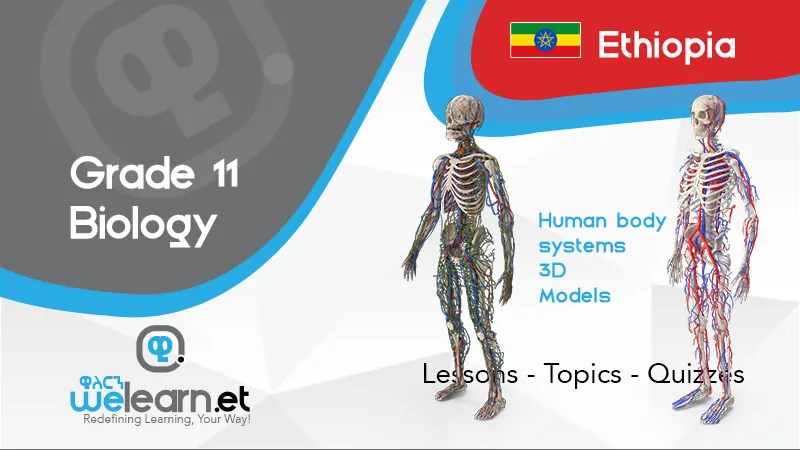
Biology and technology, animals, enzymes, genetics, human body systems and population ecology.
6
units
46
lessons with notes
36
quiz questions
1
labs & games
Overview
What Grade 11 Biology covers
Grade 11 biology links biology to technology and ethics, surveys animal diversity, reproduction and behaviour, and explains how enzymes work - including traditional Ethiopian malting. It covers DNA, protein synthesis and inheritance, the musculoskeletal and reproductive systems, and population and resource conservation.
Units
Grade 11 Biology units and lessons
Unit 1
Biology and Technology
- • Learning from Nature
- • Biology and Technology
- • Impacts of Biology and Technology on Society and Nature
- • Ethical Issues in Biology
Unit 2
Animals
- • Characteristics of Animals
- • Invertebrates and Vertebrates
- • Reproduction in Animals
- • The Economic Importance of Insects
- • Animal Behavior
- • Homeostasis in Animals
- • Renowned Zoologists in Ethiopia
Unit 3
Enzymes
- • What are Enzymes?
- • Properties and Functions of Enzymes
- • Protein Structures
- • Enzyme-Substrate Models
- • Enzyme Regulation
- • Types of Enzymes
- • Factors Affecting Enzyme Action
- • Enzyme Kinetics
- • Applications of Enzymes in Industry
- • Malting in Ethiopian Tradition
- • Renowned Biochemists in Ethiopia
Unit 4
Genetics
- • The Genetic Materials
- • Structure and Function of DNA and RNA
- • The Process of Cell Division
- • Protein Synthesis
- • Mendelian Inheritance
- • Sex Determination
- • Non-Mendelian Inheritance
- • Human Pedigree Analysis
- • Genetic Disorders
- • Genetic Testing and Counseling
- • Gene Therapy
- • Breeding
- • Introduction to Bioinformatics
Unit 5
The Human Body Systems
- • Human Musculoskeletal System
- • The Reproductive System
- • Harmful Traditional Practices
- • Family Planning
- • Effects of Alcohol, Khat and Drugs
Unit 6
Population and Natural Resources
- • Population Size, Growth and Regulation
- • Natural Resources
- • Conservation of Natural Resources in Ethiopia
- • Impact of Traffic Accidents on Wild and Domestic Animals
- • Impact of Human Activities on the Environment
- • Indigenous Conservation Practices in Ethiopia
FAQ
About Grade 11 Biology
What do students learn in Grade 11 Biology?
Grade 11 biology links biology to technology and ethics, surveys animal diversity, reproduction and behaviour, and explains how enzymes work - including traditional Ethiopian malting. It covers DNA, protein synthesis and inheritance, the musculoskeletal and reproductive systems, and population and resource conservation.
How many units are in Grade 11 Biology?
Grade 11 Biology has 6 units: Unit 1, Biology and Technology; Unit 2, Animals; Unit 3, Enzymes; Unit 4, Genetics; Unit 5, The Human Body Systems; Unit 6, Population and Natural Resources.
Are there virtual labs or games for Grade 11 Biology?
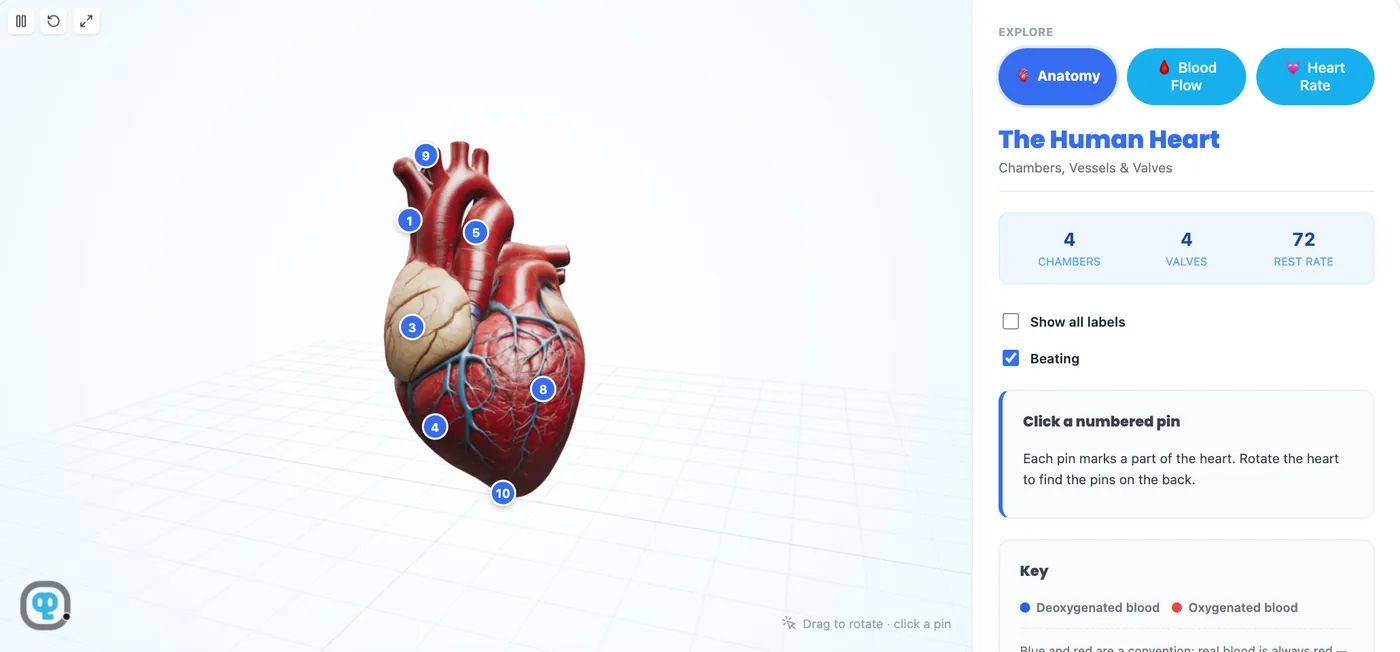
Yes: The Human Heart (virtual lab, Grades 9–11). They open inside the matching lessons on WeLearn.
Teach Grade 11 Biology with WeLearn
We will bring a demo to your school: a lesson on your interactive TV, a virtual lab and a classroom game, with your own teachers.