Most Ethiopian secondary students learn science without ever seeing an experiment. Laboratories and equipment are scarce, classes are large, and the textbook is often the only resource. Teachers do remarkable work with very little.
WeLearn is our answer. It needs what many schools already have, one good screen and an internet connection, and it turns that screen into a smart classroom.
What is in it
- Smart lesson boards. Each board is ready to present on the interactive TV: learning objectives, a warm-up, key notes, a short video, a live lab, flashcards and an exit ticket. The teacher presses Present and teaches. They can add their own notes too, because it is their board.
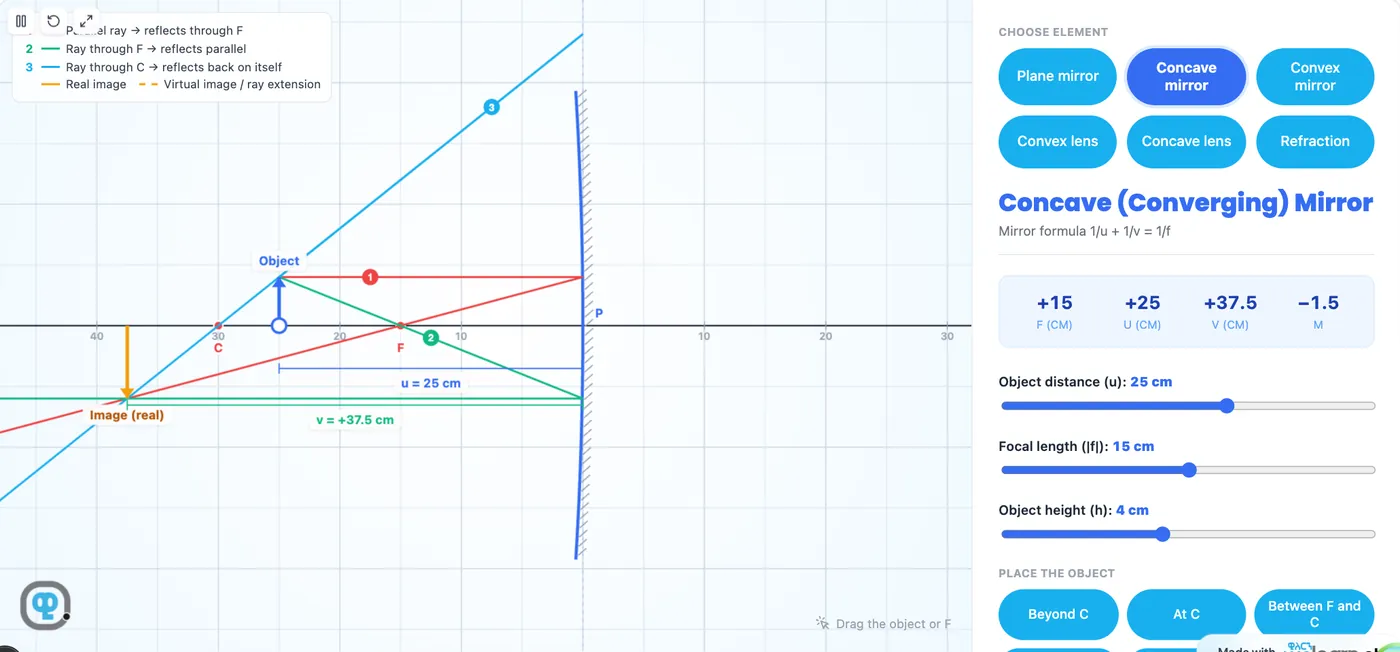
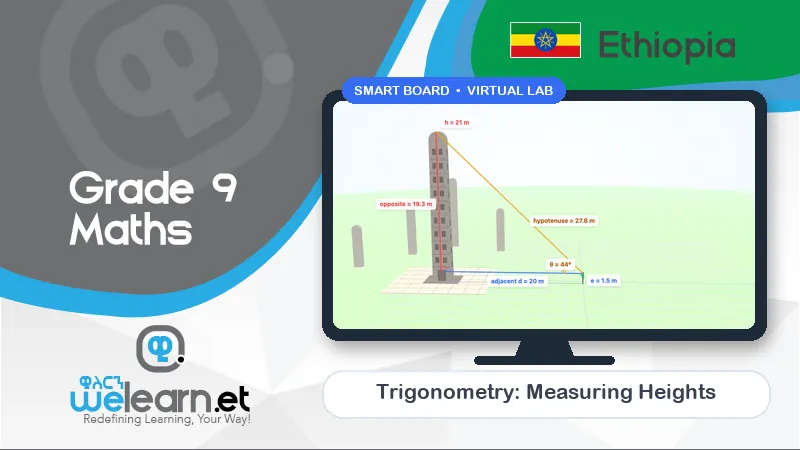
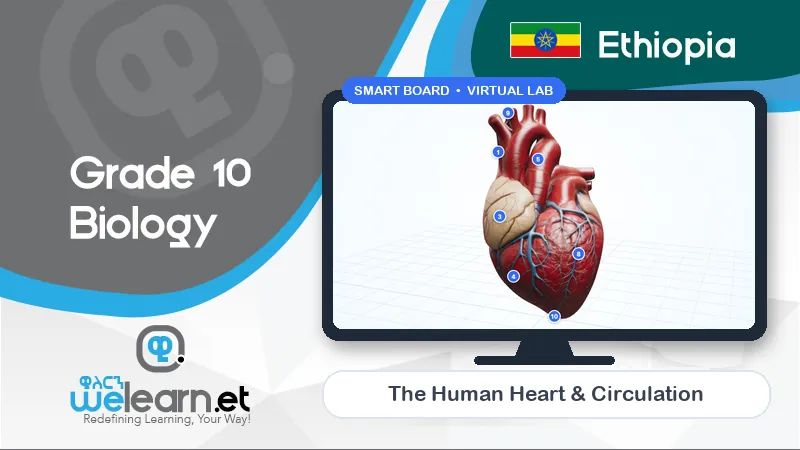
- 3D virtual labs. Students watch a heart beat, wire a circuit or bend light through a lens, together on the classroom screen. Each lab is linked to its textbook unit.
- Classroom games. Team games like Math Tug of War and Element Hunt turn revision into a competition the whole class joins.
- Notes and quizzes for every lesson. Full study notes for 1,609 lessons and 325 unit quizzes with instant marking.
- Progress for every class. Teachers see which lessons each student has completed and how they score on quizzes. Parents can follow their own child.
- Revision at home. Every lesson, lab and board has a QR code, so students scan it to continue on their phone.
Built on the textbooks you already use
WeLearn follows the Ministry of Education's 2023 student textbooks for Grades 9–12, in 42 courses across 12 subjects. Units become chapters and topics become lessons. WeLearn fits your scheme of work rather than competing with it. A teacher can open the lesson for tomorrow's topic and find it there, in the same order as the book.
Who it is for
- School leaders: a complete digital programme you can roll out grade by grade, with training for your staff.
- Teachers: lessons ready to present, labs without equipment, and games that get the back row involved.
- Students and parents: the same lesson, notes and quiz at home, on a phone.
Start with a pilot
We recommend starting small: one grade, one subject, one classroom with a screen, for a few weeks. Our pilot checklist explains what to prepare.
Book a school demo, or explore the virtual labs first.